

Did you know that rice noodles are a staple food for over two-thirds of the world’s population? Among the vast array of noodle types, Mei Fun (also known as rice vermicelli or rice sticks) holds a special place in many Asian cuisines, particularly in Chinese and Southeast Asian cooking. But what exactly is Mei Fun, and why is it so popular?
The Basics: What Exactly is Mei Fun?
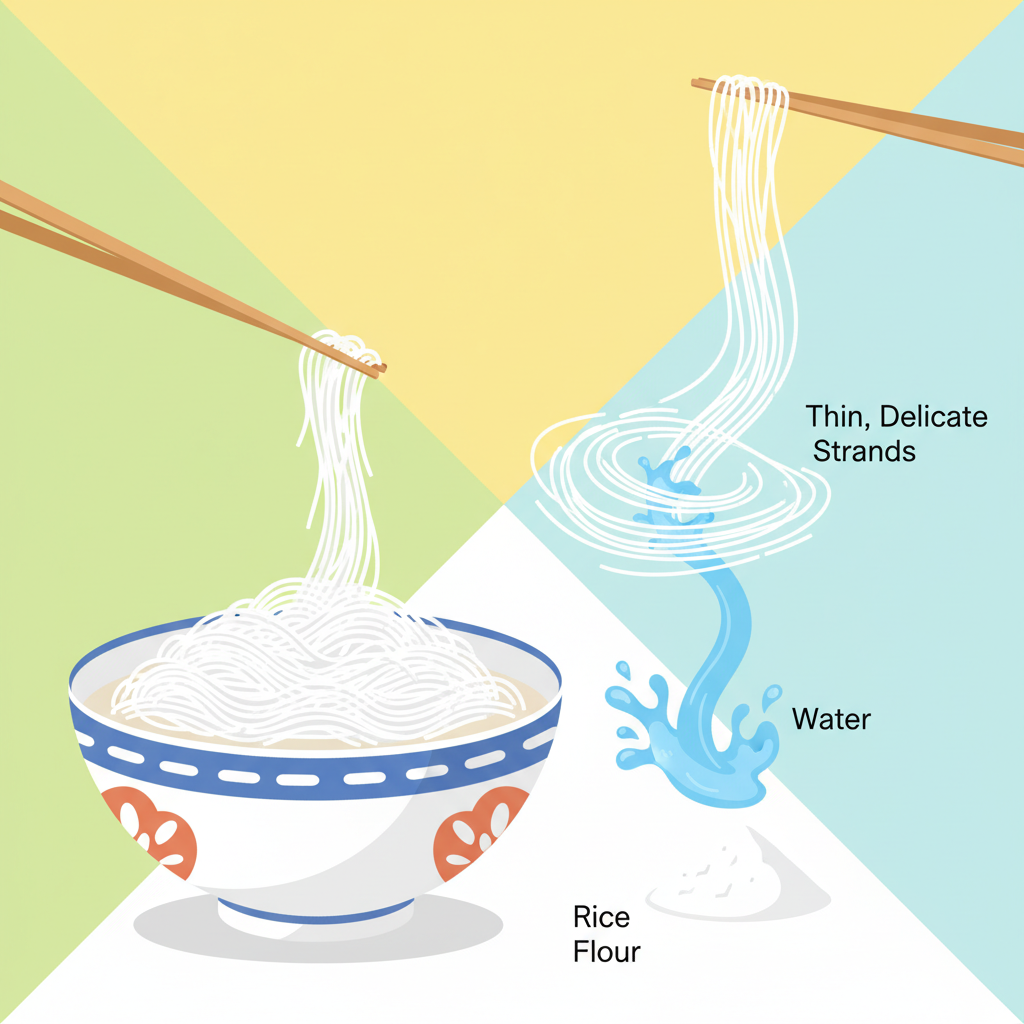
Mei Fun refers to a type of thin, white noodle made from rice flour and water. The process typically involves mixing rice flour with water to create a dough, which is then extruded or pressed through small holes to form long, thin strands. These strands are then steamed or boiled and often dried for packaging. This simple yet versatile ingredient is a blank canvas for a multitude of flavours and dishes.
Key Characteristics of Mei Fun:
- Texture: When cooked, Mei Fun is known for its soft, slightly chewy, and delicate texture. It absorbs flavors beautifully without becoming mushy if prepared correctly.
- Color: Typically white or off-white, reflecting the natural color of rice flour.
- Flavor: It has a very mild, neutral flavor, making it incredibly adaptable to various sauces, broths, and ingredients.
- Shape: It’s usually very thin, often resembling angel hair pasta or even thinner.
Where Does Mei Fun Come From?
While the exact origins are debated, rice noodles have been a part of Asian diets for thousands of years. Their cultivation and consumption are deeply intertwined with rice farming, which has been a cornerstone of agriculture in many parts of Asia for millennia. The ability to transform rice into a versatile noodle form allowed for easier storage and preparation, making it an essential food source.
How is Mei Fun Used in Cooking?
Mei Fun’s delicate nature and neutral flavour make it incredibly versatile. It can be used in a wide range of dishes, from light and refreshing to rich and savoury.
Popular Mei Fun Dishes:
- Soups: Mei Fun is a common noodle in many Asian soups. Its thin strands cook quickly and absorb the savory broth, adding substance without overpowering the other ingredients. Think of dishes like Vietnamese phở (though phở noodles are typically wider, thinner rice noodles are used in other Vietnamese soups) or various Chinese noodle soups.
- Stir-fries: When stir-fried, Mei Fun can be tossed with vegetables, meats, and sauces. It’s crucial not to overcook it during stir-frying, as it can break apart easily. A classic example is Singapore noodles, a popular Chinese-American dish featuring stir-fried Mei Fun with curry powder, shrimp, pork, and vegetables.
- Salads: Cold Mei Fun noodles can be a refreshing base for noodle salads. Tossed with a tangy dressing, fresh herbs, and crunchy vegetables, they make for a light and healthy meal.
- Spring Rolls: In some cultures, cooked and cooled Mei Fun is used as a filling for fresh or fried spring rolls.
Cooking Mei Fun: Tips for Success
Preparing Mei Fun is generally straightforward, but a few tips can ensure the best results:
- Soaking is Key: Most dried Mei Fun requires soaking in hot water (not boiling) for a period before cooking. This rehydrates the noodles and shortens their cooking time. Follow the package instructions carefully, as soaking times can vary.
- Don’t Overcook: Mei Fun cooks very quickly, often in just a few minutes. Overcooking will result in mushy, broken noodles. It’s often better to slightly undercook them, as they will continue to cook in hot dishes like soups or stir-fries.
- Rinse After Cooking: After boiling or draining, it’s a good practice to rinse Mei Fun under cold water. This stops the cooking process and prevents the noodles from sticking together.
Nutritional Information
As Mei Fun is made primarily from rice flour, it is a good source of carbohydrates, providing energy. It is naturally gluten-free, making it an excellent option for individuals with celiac disease or gluten sensitivities.
According to the USDA, one cup (about 50 grams dry) of uncooked rice vermicelli contains approximately:
- Calories: 170-180
- Carbohydrates: 39-40 grams
- Protein: 3-4 grams
- Fat: Less than 1 gram
It’s important to remember that the nutritional content can vary slightly based on the brand and specific processing. The overall healthiness of a dish containing Mei Fun also depends heavily on the other ingredients and cooking methods used.
Conclusion
Mei Fun, or rice vermicelli, is a simple yet indispensable ingredient in many Asian kitchens. Its delicate texture, neutral flavour, and versatility make it a beloved noodle for soups, stir-fries, salads, and more. Understanding its characteristics and how to prepare it properly unlocks a world of delicious culinary possibilities. So next time you see Mei Fun, don’t hesitate to experiment with this humble yet remarkable noodle!