

Did you know that tofu, a staple in many cuisines worldwide, has been around for over 2,000 years? Originating in China, this versatile plant-based protein has become a global phenomenon, celebrated for its mild flavor and ability to absorb the tastes of other ingredients. But what exactly is tofu, and why has it gained such popularity, especially in recent years?
The Simple Origins of a Complex Food
At its core, tofu is made from soybeans. The process is surprisingly similar to making cheese from milk. Here’s a breakdown of how this humble ingredient comes to life:
- Soaking Soybeans: Dried soybeans are soaked in water until they soften.
- Grinding and Cooking: The soaked beans are then ground with water to create a milky liquid called soymilk. This mixture is cooked to break down enzymes and improve digestibility.
- Curdling: A coagulant, such as calcium sulfate, magnesium chloride (nigari), or glucono delta-lactone (GDL), is added to the soymilk. This causes the proteins in the soymilk to clump together, forming curds.
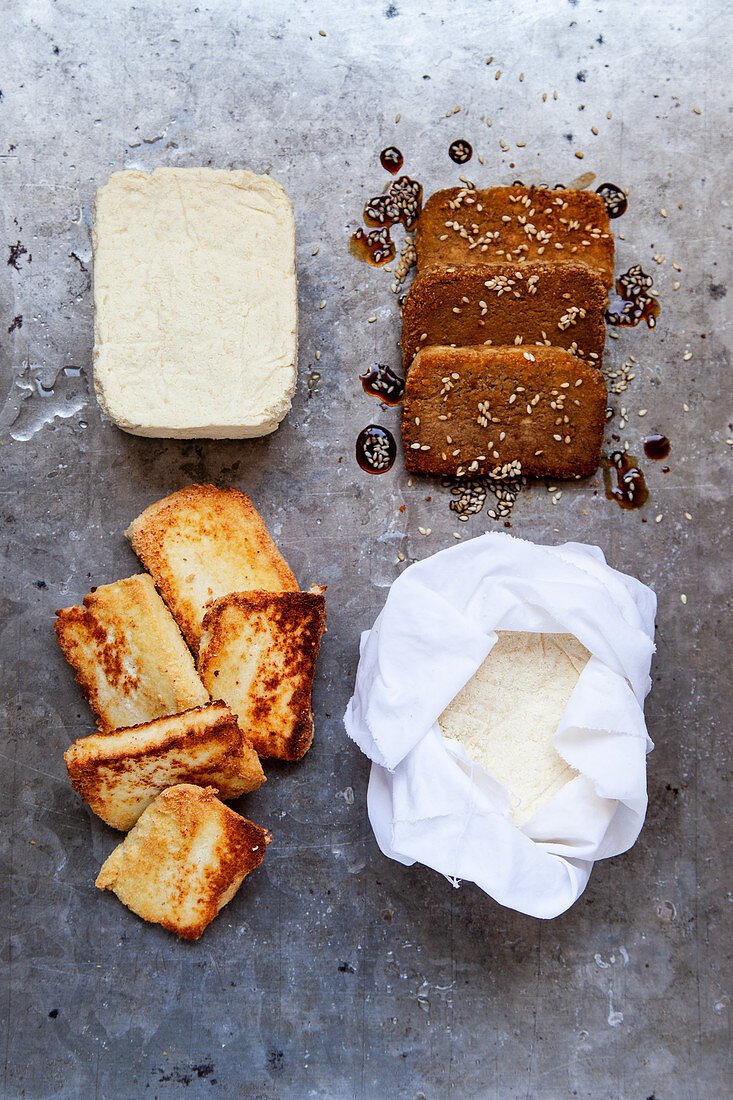
- Pressing: The curds are then separated from the remaining liquid (whey) and pressed into blocks. The amount of pressing determines the final texture of the tofu.
This simple process yields a food that is not only nutritious but also incredibly adaptable to various culinary applications.
Understanding Tofu Textures: From Silky Smooth to Firmly Packed
The key to tofu’s widespread appeal lies in its diverse range of textures. These textures are achieved by varying the amount of water pressed out of the curds. Understanding these differences is crucial for choosing the right tofu for your dish.
Silken Tofu
- Characteristics: This is the softest and most delicate type of tofu. It has a very high water content and a smooth, custard-like texture. It’s often sold in shelf-stable aseptic containers or refrigerated tubs.
- Best Uses: Silken tofu is ideal for dishes where a creamy texture is desired. Think smoothies, salad dressings, creamy sauces, dips, and desserts like vegan cheesecakes or puddings. It can also be blended into soups for added richness.
Soft Tofu
- Characteristics: Softer than regular tofu but firmer than silken, soft tofu holds its shape better but is still quite delicate.
- Best Uses: It’s excellent for dishes where the tofu can be gently incorporated, such as miso soup or as a base for scrambled tofu.
Medium Tofu
- Characteristics: This tofu has a firmer texture than soft tofu and holds its shape reasonably well. It’s a good all-around choice.
- Best Uses: Medium tofu works well in stir-fries, soups, and dishes where you want the tofu to absorb flavours without falling apart.
Firm Tofu
- Characteristics: As the name suggests, firm tofu is quite solid and holds its shape exceptionally well. It has a lower water content than softer varieties.
- Best Uses: This is the most versatile type for many cooking methods. It’s perfect for stir-fries, grilling, baking, and pan-frying. Its firm texture allows it to be cubed or sliced without crumbling.
Extra-Firm Tofu
- Characteristics: The densest and driest type of tofu, extra-firm tofu is the most robust. It can be easily cubed, sliced, or crumbled and stands up to most cooking techniques.
- Best Uses: Ideal for when you want tofu to have a chewy or crispy texture, such as in stir-fries, baked dishes, or when marinating and then frying or grilling.
The Nutritional Powerhouse
Beyond its culinary versatility, tofu is a nutritional champion, particularly for those looking to reduce their meat intake. It’s a complete protein, meaning it contains all nine essential amino acids that the body cannot produce on its own.
- Protein: A 3.5-ounce (100-gram) serving of firm tofu typically contains around 8-15 grams of protein, depending on the brand and firmness. Source: U.S. Department of Agriculture FoodData Central
- Low in Calories: Tofu is relatively low in calories, making it a great option for weight management.
- Iron: It’s a good source of iron, essential for carrying oxygen in the blood.
- Calcium: Many tofus are fortified with calcium, especially those coagulated with calcium sulfate, contributing to bone health.
- Other Minerals: Tofu also provides manganese, selenium, phosphorus, and copper.
- Phytoestrogens: Soybeans contain isoflavones, a type of phytoestrogen. These plant compounds have been studied for their potential health benefits, including supporting heart health and potentially reducing the risk of certain cancers. Source: National Institutes of Health – Office of Dietary Supplements
Tofu in Global Cuisines
Tofu’s journey began in East Asia, where it has been a dietary cornerstone for centuries.
- China: Tofu is a fundamental ingredient in countless Chinese dishes, from mapo tofu (spicy tofu with minced meat or mushrooms) to steamed tofu with ginger and soy sauce.
- Japan: In Japan, tofu is central to dishes like miso soup, agedashi tofu (deep-fried tofu in broth), and hiyayakko (chilled tofu with toppings).
- Korea: Soft tofu features prominently in Korean cuisine, notably in sundubu jjigae, a spicy soft tofu stew.
- Southeast Asia: Tofu is also enjoyed in various forms across Vietnam, Thailand, and other Southeast Asian countries, often fried until crispy and served with dipping sauces.
Conclusion
From its ancient origins to its modern-day status as a plant-based powerhouse, tofu offers an incredible combination of nutrition, versatility, and affordability. Whether you’re a seasoned vegetarian, vegan, or simply looking to incorporate more plant-based meals into your diet, understanding the different types of tofu and how to prepare them can unlock a world of delicious possibilities. Its ability to adapt to diverse flavours and textures makes it a truly remarkable ingredient in the global culinary landscape.