

Did you know that gochugaru, the vibrant red chilli flakes central to Korean cuisine, is used in an astonishing 95% of Korean households? 1 It’s the secret weapon behind the addictive heat and nuanced flavour of dishes like kimchi, tteokbokki, and bibimbap.
But what happens when you’re halfway through making your favourite Korean meal and realise you’re out of this essential ingredient? There are several excellent gochugaru substitutes that can save the day and still deliver fantastic flavour.
What Exactly is Gochugaru?
Before we talk substitutes, let’s understand what makes gochugaru so special. Gochugaru is made from dried Korean chili peppers, typically sun-dried. It comes in two main varieties:
- Gukgochugaru (coarse grind): This is the most common type, with larger flakes, a less intense heat, and a more complex, slightly sweet flavor. It’s ideal for kimchi and stews.
- Gowndaeuchugaru (fine grind): This is a powder, similar to cayenne pepper. It’s used for sauces and marinades where a smoother texture is desired.
What sets gochugaru apart is its unique balance of mild heat, smoky undertones, and a bright, fruity sweetness. 2 It’s not just about the spice; it’s about the depth of flavor it adds.
The Top 5 Gochugaru Substitutes
When you can’t get your hands on authentic gochugaru, these five alternatives can get you pretty close.
1. Red Pepper Flakes (Crushed Red Pepper)
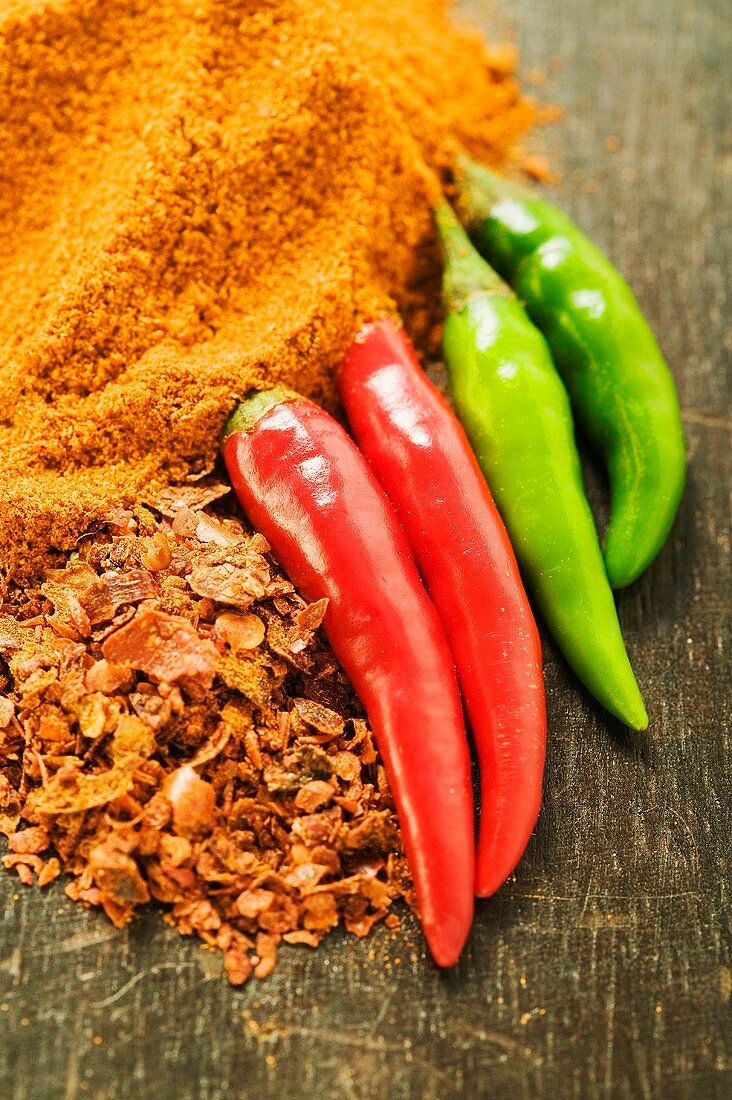
This is probably the most accessible substitute you’ll find in any grocery store. Red pepper flakes (often labeled as crushed red pepper) are a good starting point, especially if you’re looking for a similar texture.
- Pros: Widely available, provides a similar visual appeal and texture. Can offer a decent level of heat.
- Cons: Lacks the unique sweetness and smoky notes of gochugaru. The flavour profile is generally simpler and more straightforwardly spicy. The heat level can vary significantly.
- How to Use: Use a 1:1 ratio as a starting point. You might want to add a pinch of sugar and a tiny amount of smoked paprika (if you have it) to try to mimic the sweetness and smoky notes.
2. Cayenne Pepper
Cayenne pepper is a fine powder that offers a good kick of heat. While it doesn’t offer the visual appeal of gochugaru flakes, it can be a lifesaver if you need that spicy element.
- Pros: Provides significant heat. Easily available in powdered form.
- Cons: Lacks the colour and texture of gochugaru. The flavour is purely spicy and doesn’t have the fruity or smoky nuances. It can easily make dishes too hot if not used carefully.
- How to Use: Start with a much smaller amount, perhaps 1/4 to 1/2 teaspoon for every tablespoon of gochugaru called for. Taste as you go! You’ll definitely want to add other ingredients for colour and flavour complexity.
3. Ancho Chilli Powder
Ancho chili powder is made from dried poblano peppers. It has a mild to medium heat and a rich, smoky, slightly fruity flavour that can be a surprisingly good stand-in for gochugaru, especially in terms of flavour complexity.
- Pros: Offers a complex, smoky, and slightly sweet flavor profile. Good color.
- Cons: It’s a powder, so it won’t provide the flaky texture. The heat level is generally milder than many gochugaru varieties.
- How to Use: Use a 1:1 ratio. If you need more heat, you can combine it with a pinch of cayenne pepper. This is a great option if flavour depth is more important than texture.
4. Smoked Paprika + Cayenne Pepper
This combination is perhaps the closest you can get to mimicking both the flavour and colour of gochugaru. Smoked paprika brings the smoky, slightly sweet notes and vibrant red colour, while cayenne pepper provides the heat.
- Pros: Replicates the colour and smoky flavour well. Allows you to control the heat level precisely.
- Cons: Lacks the flaky texture. Requires combining two ingredients.
- How to Use: For every tablespoon of gochugaru, try using 1 teaspoon of smoked paprika and 1/4 to 1/2 teaspoon of cayenne pepper. Adjust the cayenne to your preferred heat level.
5. Korean Chili Paste (Gochujang) – Use with Caution!**
While not a direct flake substitute, gochujang (Korean chili paste) can be used in a pinch, especially if your recipe involves a sauce or stew where a paste consistency is acceptable. Gochujang is fermented, giving it a complex sweet, savory, and spicy flavor.
- Pros: Authentic Korean flavor profile. Adds depth, sweetness, and umami.
- Cons: It’s a paste, not flakes, so it will significantly alter the texture and appearance of your dish. It’s also much saltier and sweeter than gochugaru, so you’ll need to adjust other seasonings.
- How to Use: This is the trickiest substitute. You’ll need to dilute it with water or broth to achieve a consistency closer to what gochugaru might provide. Start with a small amount and add other spices (like plain red pepper flakes for texture) and seasonings to balance the flavor. It’s best for recipes where a paste is already part of the flavor profile.
Making the Best of Your Substitute
No substitute will be exactly like gochugaru, but by understanding the nuances of each option, you can make smart choices. Consider the specific dish you’re making:
- For kimchi or stews: Aim for something with color and a good flavor base. The smoked paprika + cayenne combo or ancho chili powder are strong contenders.
- For sauces or marinades: Cayenne pepper or a blend can work well, as texture is less critical.
- For visual appeal: Red pepper flakes are your best bet, but they won’t deliver the full flavor.
Remember to taste as you go and adjust seasonings accordingly. A little bit of sweetness from sugar or honey, a touch of smokiness from smoked paprika, and careful heat management with cayenne pepper can help bridge the gap.