

Did you know that a single cup of sweet rice flour contains roughly 45 grams of carbohydrates and 4 grams of protein? This humble ingredient, often known by its Japanese name, Mochiko, is a staple in many Asian cuisines and has gained global popularity for its unique properties. But what exactly is sweet rice flour, and what makes it so special?
The Origins and Composition of Sweet Rice Flour
Sweet rice flour, also commonly referred to as Mochiko or glutinous rice flour, is made from short-grain japonica rice. Despite its name, it does not contain any dairy or actual sugar. The “sweet” refers to its sticky, chewy texture when cooked, not its flavour. The magic behind this texture lies in its high amylopectin content. Amylopectin is a type of starch that, when heated with water, gelatinizes and creates a viscous, elastic dough.
Unlike regular rice flour, which is milled from long-grain rice and has a higher proportion of amylose (another type of starch), sweet rice flour lacks the structural integrity that amylose provides. This difference is crucial for its distinct culinary applications. For a deeper understanding of starch types, you can explore the carbohydrate structure on Wikipedia.
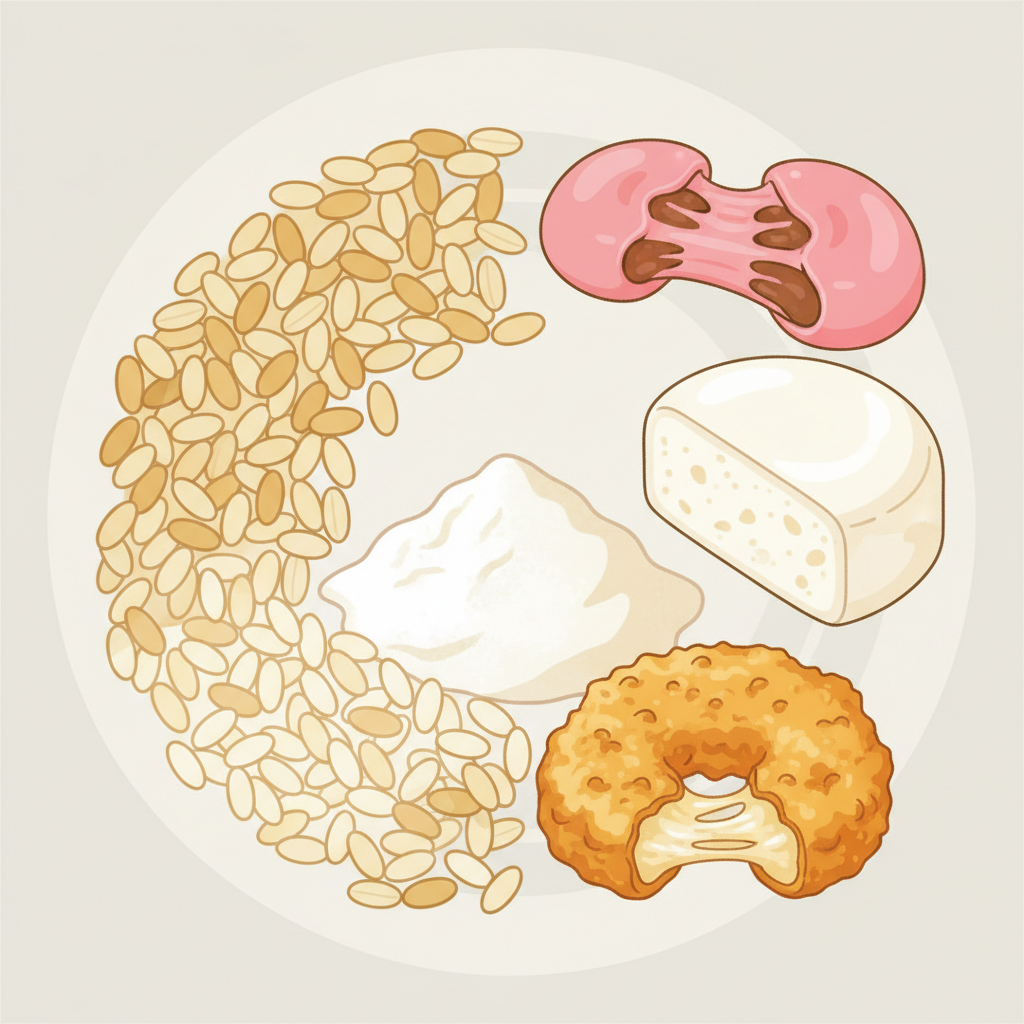
Sweet rice flour is typically made by soaking, grinding, and drying the rice. This process results in a fine, white powder that is incredibly versatile. It’s a key ingredient in many traditional dishes, from the Japanese mochi (sticky rice cakes) to Filipino bibingka (a type of baked rice cake) and Thai khao niao mamuang (mango sticky rice).
Culinary Applications: Beyond Mochi
While mochi is perhaps the most famous application of sweet rice flour, its uses extend far beyond this beloved Japanese confection.
Baking and Desserts
In baking, sweet rice flour acts as a fantastic thickener and binder. It can be used to:
- Thicken sauces, gravies, and fillings: Its ability to create a smooth, creamy consistency without a gritty texture makes it ideal for fruit pie fillings, puddings, and custards.
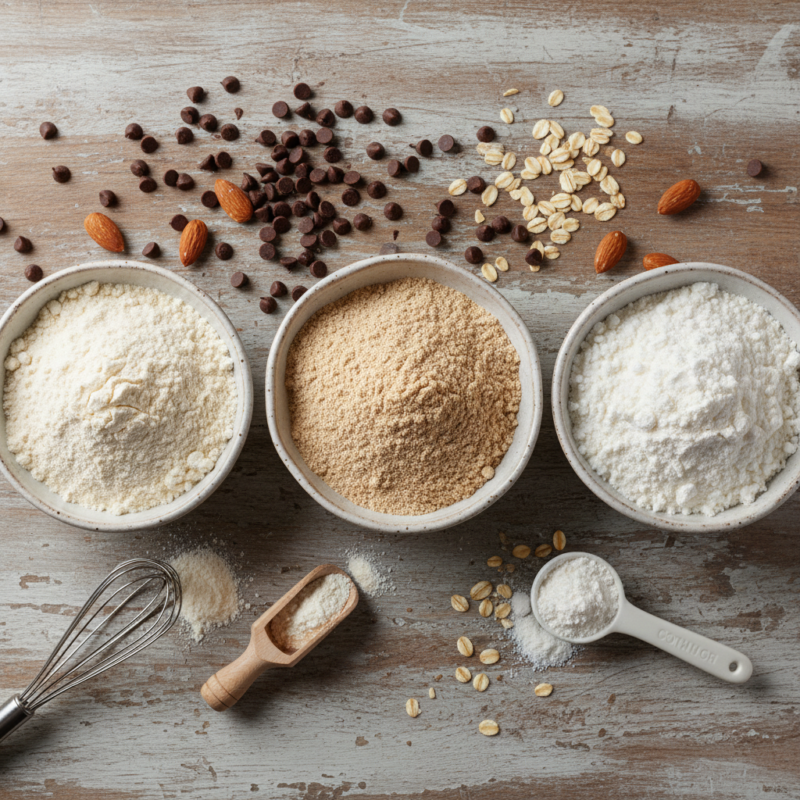
- Improve texture in gluten-free baking: For individuals with celiac disease or gluten sensitivity, sweet rice flour is a valuable addition to gluten-free flour blends. It contributes to a chewier, more tender crumb in cakes, cookies, and breads, mimicking some of the properties of gluten. According to the Celiac Disease Foundation, gluten-free alternatives are essential for managing the condition.
- Create chewy textures: It’s the secret ingredient behind the signature chewiness of many cookies and pastries.
Savory Dishes
Sweet rice flour isn’t limited to sweet treats. In savoury cooking, it can be used to:
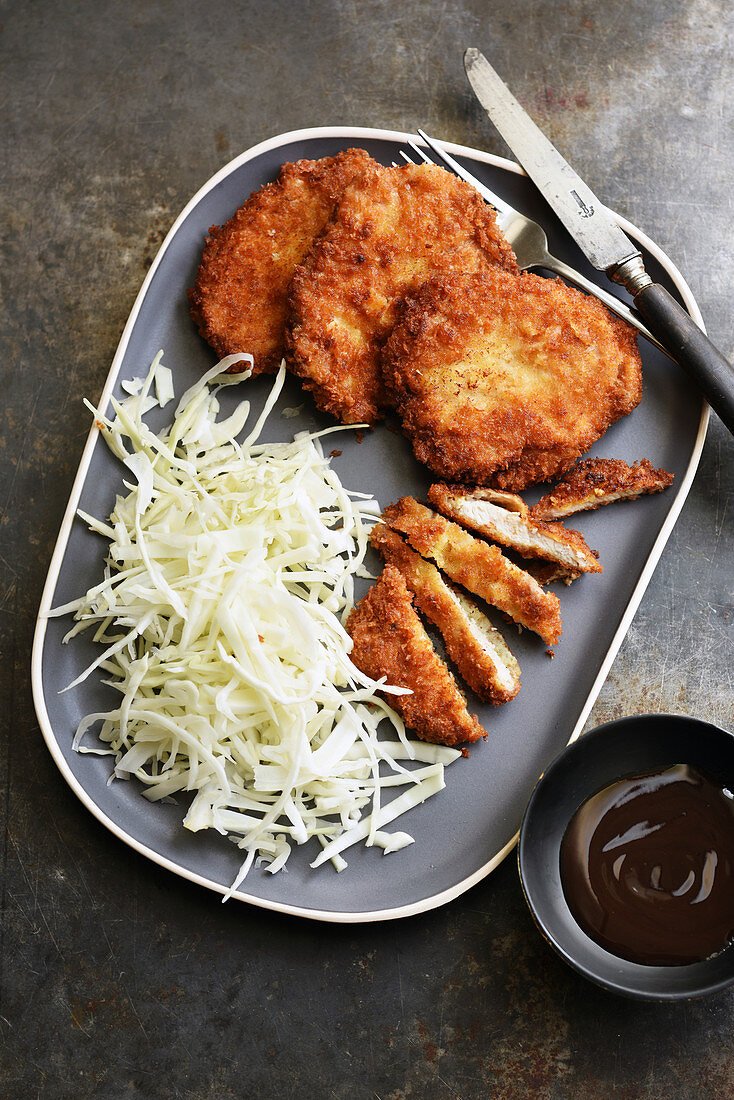
- Coat fried foods: A light dusting of sweet rice flour before frying can create an incredibly crispy and light coating for meats and vegetables.
- Add body to soups and stews: Similar to its role in desserts, it can thicken savoury broths without making them heavy.
Nutritional Profile
As mentioned earlier, sweet rice flour is primarily composed of carbohydrates. It is naturally gluten-free, making it a popular choice for those with dietary restrictions. While it offers some protein, it is not considered a significant source of vitamins or minerals compared to whole grains.
Where to Find Sweet Rice Flour
Sweet rice flour, or Mochiko, is readily available in most Asian grocery stores and in the international aisle of many larger supermarkets. It’s often sold in paper bags or boxes. When purchasing, look for brands like Koda Farms Mochiko Sweet Rice Flour, which is a well-known and widely available option.
Frequently Asked Questions
What is the difference between sweet rice flour and regular rice flour?
The primary difference lies in the type of rice used and the resulting starch composition. Sweet rice flour is made from short-grain japonica rice and is high in amylopectin, leading to a sticky, chewy texture. Regular rice flour is typically made from long-grain rice and has more amylose, resulting in a less sticky, more crumbly texture.
Can I substitute sweet rice flour for all-purpose flour?
Not directly. While it can be used in gluten-free blends, it has a different absorption rate and texture-forming properties. Substituting it 1:1 for all-purpose flour in traditional baking will likely yield very different, and often undesirable, results.
Is sweet rice flour the same as tapioca flour?
No. While both are gluten-free starches used as thickeners, tapioca flour is derived from the cassava root and has a slightly different thickening ability and texture profile. It will give a more elastic and chewy result.
How should I store?
Store sweet rice flour in an airtight container in a cool, dry place. Properly stored, it can last for several months, though it’s best to use it within a year for optimal freshness.
Conclusion
Sweet rice flour, or Mochiko, is a remarkable ingredient that brings a unique textural dimension to a wide array of dishes. From the iconic chewiness of mochi to its role as a versatile thickener and gluten-free baking aid, this humble flour is a testament to the culinary innovation found in rice-based traditions. Its ability to transform simple ingredients into delightful textures makes it a valuable addition to any home cook’s pantry.